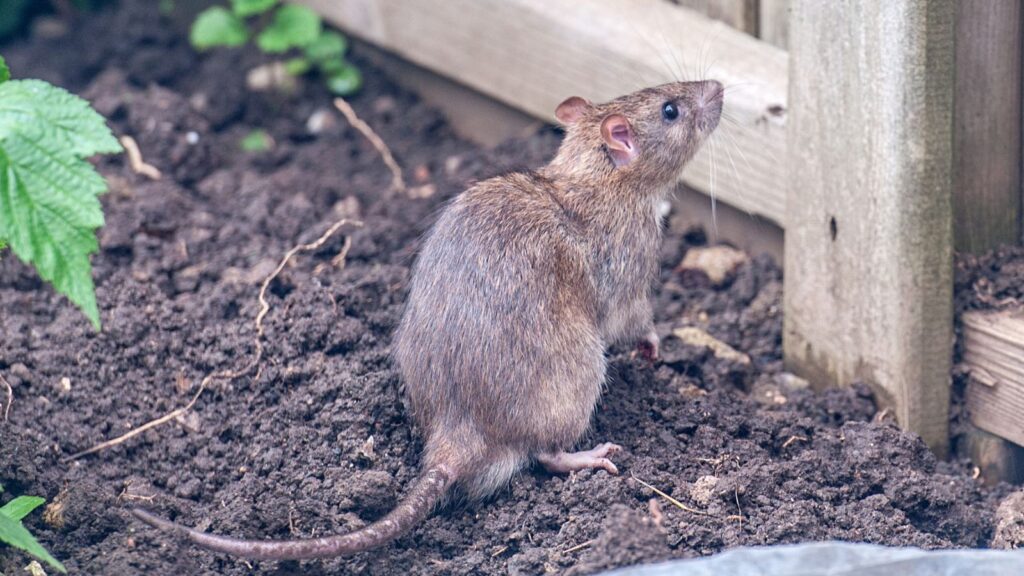
Most people assume a rodent problem starts when they actually see a mouse or rat. In reality, it usually begins long before that with small, everyday habits that quietly make your yard comfortable for them.
Rodents aren’t picky. If they find easy food, water, shelter, and nesting material, they’ll settle in fast. And once they feel at home outside, it’s only a matter of time before they try to move indoors.
Here are the small yard habits that could be inviting rodents in without you even realizing it, and what to do instead.
Leaving Easy Food Sources Out
Rodents are opportunistic feeders. Pet bowls left outside, spilled bird seed, fallen fruit, or greasy crumbs from last weekend’s barbecue are basically an open invitation.
Even small amounts of food add up. Clean up under bird feeders regularly, pick up fallen fruit promptly, and avoid leaving pet food outdoors overnight. What looks like “just a little” to you is a full meal to a rodent.
Using Trash Cans Without Tight Lids
If your garbage lid doesn’t seal tightly, rodents can detect it and investigate. They can chew through plastic bags and squeeze into surprisingly small gaps.
Use trash cans with locking or tight-fitting lids, and consider keeping them slightly elevated or, if possible, stored in a shed or garage.
Ignoring Standing Water
Rodents need water daily. A dripping hose, a clogged gutter, a birdbath, or a low spot that collects rainwater can be enough to keep them around.
Walk your yard after it rains. Fix leaky outdoor faucets, clear gutters, and avoid letting water pool. A dry yard is far less inviting.
Managing Compost Loosely
Composting is great for your garden, but an open pile filled with kitchen scraps is a buffet if you’re not careful.
Avoid adding meat, dairy, or greasy leftovers. Use a secure compost bin with a lid, and turn it regularly. The better you manage it, the less appealing it becomes to wildlife.

Letting Grass and Weeds Grow Wild
Tall grass and thick weeds provide perfect cover. Rodents prefer areas where they can move without being seen by predators.
Keep your lawn trimmed and remove dense overgrowth near fences, sheds, and foundations. Visibility alone discourages nesting.
Stacking Firewood Against the House
Firewood piles are cozy shelters. When stacked directly against your home, they provide rodents with both protection and easy access to the walls.
Store wood off the ground and at least several feet away from your house. The more space between the shelter and your foundation, the better.
Using Bird Feeders Without Cleanup
Bird feeders don’t just feed birds. Seeds scattered on the ground are irresistible to rodents. Choose spill-resistant feeders and rake up fallen seed frequently. A tidy feeding area makes a big difference.
Leaving Fallen Fruit in the Yard
If you have fruit trees or a vegetable garden, fallen produce is a major attractant. Overripe fruit ferments quickly and attracts rodents.
Pick up dropped fruit daily during harvest season and harvest produce promptly before it becomes an easy target.
Feeding Pets Outdoors
Outdoor pet bowls are one of the most common attractants. Even dry kibble left out for a few hours can bring unwanted visitors.
Feed pets indoors when possible. If you must feed outside, remove bowls and any leftovers immediately after each meal.
Allowing Dense Shrubs Against the House
Thick shrubs around your home’s foundation create shaded, protected hiding spots, exactly what rodents prefer.
Trim shrubs back so there’s visible space between plants and your home’s exterior walls.
Overlooking Small Plumbing Leaks
A slow drip from an outdoor pipe or hose bib doesn’t seem like much. To rodents, it’s a reliable water source. Inspect your outdoor plumbing occasionally and fix leaks promptly. Moisture draws pests in.
Leaving Sheds Unsealed
Garden sheds often have gaps at the base of doors or along walls. These small openings are more than enough for mice and rats.
Seal gaps, repair damaged panels, and keep tools and supplies organized to eliminate nesting opportunities.
Keeping a Cluttered Yard
Old furniture, stacked planters, unused equipment, or piles of materials create hiding spots. Declutter regularly. The more open and maintained your yard looks, the less attractive it becomes to rodents.
Neglecting Fence Repairs
Small gaps or damaged areas along fences act as highways for rodents entering and exiting your yard unnoticed.
Inspect fencing periodically and repair openings. Consider reinforcing lower sections if rodents are common in your area.
Leaving Nesting Materials Accessible
Grass clippings, leaf piles, and loose insulation scraps are prime nesting materials.
Rake leaves, bag yard waste, and avoid letting debris pile up. The less material available, the harder it is for rodents to establish a nest.