I grew up around my mom, who was a seamstress and sewed all the time, and I remember how carefully she kept her tools, machines, and little notions. Back then, they were just everyday essentials, but looking back now, a lot of those same items have become highly collectible.
What once sat in sewing baskets and drawers is now something people actively search for at thrift stores, estate sales, and flea markets. Many of these pieces were made with a level of craftsmanship you don’t see as often today, which is exactly why they’ve held their value and, in some cases, become even more desirable over time.
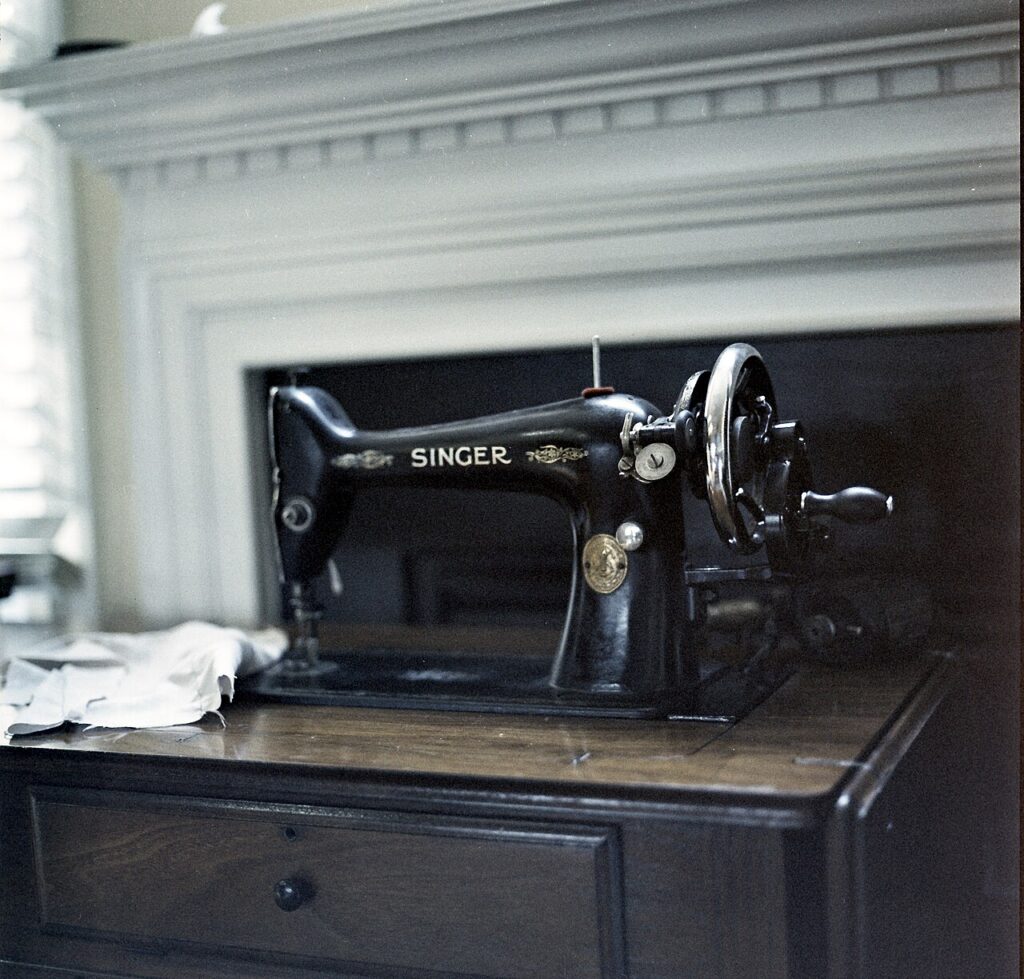
Vintage Singer Sewing Machines
Classic Singer sewing machines are among the most recognizable and collectible pieces in the sewing world. From full-size cabinet machines to the iconic Featherweight 221, these machines are valued for their durability, craftsmanship, and timeless design. Older models, especially those over 100 years old or well-preserved Featherweights with original cases and attachments, can be especially desirable to collectors.
Original paint, decals, and parts often increase value, and checking serial numbers can help identify specific models. Whether displayed or used, these machines continue to hold both practical and collectible appeal.
Vintage Buttons
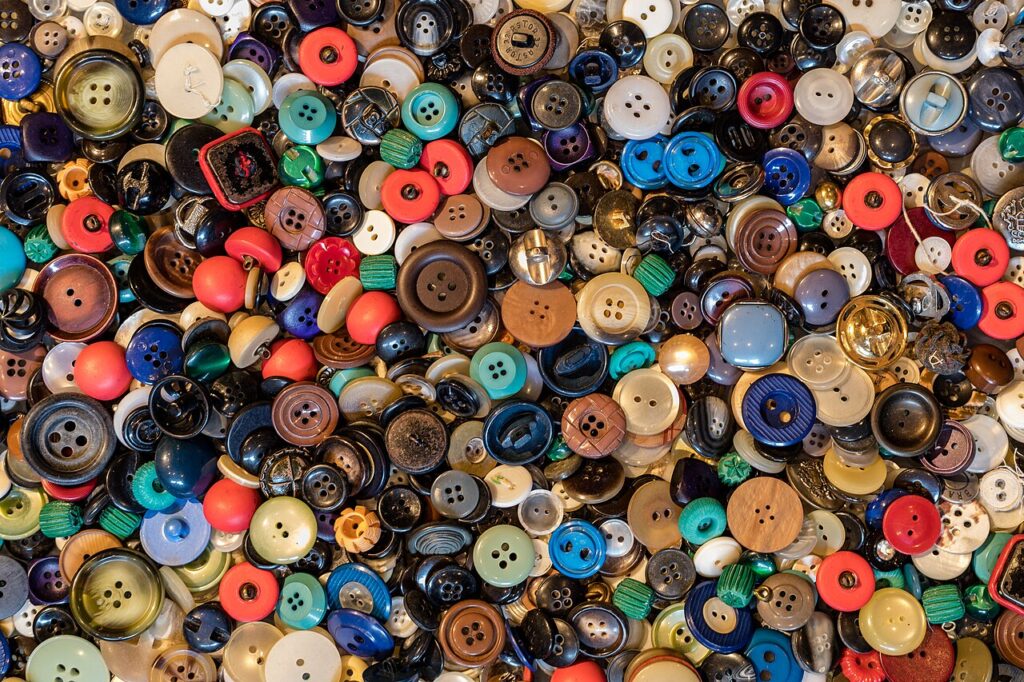
Buttons have become collectible in their own right, especially those made from glass, bone, or mother-of-pearl. Many people enjoy sorting through jars of mixed buttons, looking for unique designs. They’re small, affordable, and full of character.
Antique Velvet Pincushions
These small pieces often show soft wear and faded colors, which only add to their charm. Many feature hand-stitched details or sit on decorative bases made of wood or ceramic. Victorian-style pincushions, especially those with unique shapes or well-preserved examples, are collectible.
Sterling Silver Thimbles
Thimbles might be tiny, but they’re packed with detail and history. Many feature engravings, decorative tops, or maker’s marks that help identify their age and origin. Even a single well-made silver thimble can be a standout collectible piece.
Wooden Thread Spools
Old wooden spools with original labels have become surprisingly collectible. Their appeal often comes from the worn paper labels and muted thread colors that reflect everyday sewing from another era. Many people collect them in groups, displaying them for their simple, nostalgic look.
Victorian Pin Cushions
Victorian pin cushions were often made of velvet, lace, or silk, and sometimes shaped into decorative forms such as animals or small pieces of furniture. While some are simple, others are highly detailed and unique. Their mix of function and decorative design makes them especially appealing to collectors.
Wiss Sewing Scissors
Vintage Wiss scissors are known for their weight, durability, and quality steel construction. Many collectors look for pairs that still cut well and show minimal wear. Larger tailor shears, in particular, are both useful and collectible.
Sewing Needle Cases
Antique needle cases were often made from wood, metal, or early plastics and designed to be both practical and decorative. Some feature painted designs, carved details, or compact compartments inside. Their small size and variety make them easy to collect and display.
Retractable Tape Measures
These compact tools were often housed in decorative cases made from metal, leather, or celluloid. Some were shaped like everyday objects or animals, making them both functional and eye-catching. Working mechanisms and clear markings usually increase their value.
Related: One Roll, Dozens of Uses — You Won’t Believe What a Single Roll of Duct Tape Can Do
Antique Spool Holders
Spool holders were used to keep the thread organized and feed smoothly during sewing. Many were made from wood or metal and designed to sit near or attach to machines. Complete pieces with all parts intact are especially desirable today.
Sewing Birds (Bird Clamps)
These are one of the more unique sewing tools you’ll come across. Made from cast iron or brass, they clamp to a table and hold fabric in place while sewing. Their distinctive bird shape makes them just as decorative as they are functional.
Darning Eggs
Darning eggs were simple tools used to repair socks and knitwear. Typically made of wood, they have a smooth surface that helps stretch fabric as it is stitched. Today, they’re appreciated for their connection to old mending practices and everyday life.
Hem Gauges
These small measuring tools helped create even hems and seams. Early versions were made from metal or cardboard and often featured sliding markers. While simple, they represent the practical side of vintage sewing tools.
Designer Sewing Patterns (1940s–1960s)
Vintage patterns offer a glimpse into fashion history, from structured dresses to mid-century silhouettes. Original envelopes and intact pieces make them more valuable. Many are still used today by sewists and costume makers.
Related: Stitch by Stitch, Sewing Is Reemerging as a Skill Worth Learning Again
Mid-Century Sewing Boxes
These boxes are easy to spot thanks to their clean lines and clever compartments. Often made from wood like teak or walnut, they combine function with design. Well-kept examples are especially popular among collectors and decorators.
Other Posts You Might Like
- 20 Collectibles in Your Parents’ House That Could Be Worth a Fortune
- 13 Random Items in Your Home That Could Be Worth Thousands
- From Oil Lamps to Porcelain Pigs, These Are the Strangest Things People Collect
- 13 Garage Sale Items That Collectors Actively Look For (and Pay Well For)
- 17 Everyday Items in Your Kitchen That Are Secretly Valuable