It’s easy to assume homeowners’ insurance will cover you when something goes wrong. After all, that’s what it’s there for.
But the reality is more nuanced. Most policies are designed to cover sudden and accidental damage, not problems that develop gradually or could have been prevented with routine maintenance. That distinction is where many homeowners run into trouble.
In fact, some of the most expensive repairs fall into gray areas or aren’t covered at all. And as many homeowners have discovered, even damage that occurs during a storm or other unexpected event can be denied if the underlying cause points to a long-term issue.
Here are some of the most common (and costly) repairs that may not be covered by your policy.
Flood Damage
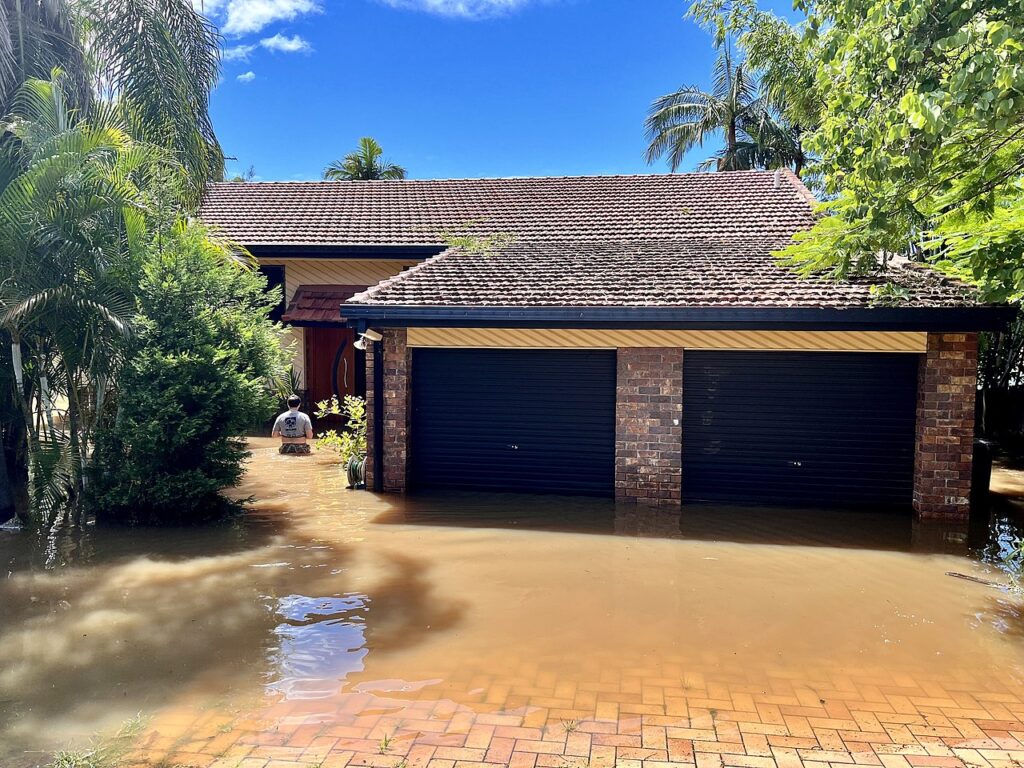
Flooding is one of the biggest gaps in standard homeowners insurance, and it often comes as a surprise. If water enters your home due to heavy rain, rising water, or groundwater seepage, it’s typically not covered under a basic policy.
The cost of repairs can climb quickly, especially when structural damage, mold cleanup, and flooring replacement are involved. That’s why homeowners in flood-prone areas usually need a separate flood insurance policy.
Related: 15 Ways to Flood Proof Your Property
Sewer or Septic Backups
A sewage backup is one of those problems you don’t think about until it happens, and when it does, it’s expensive. Unless you’ve added a specific endorsement, most standard policies don’t cover cleanup or repairs.
Depending on the severity, costs can range from a few thousand dollars to well over $10,000, especially if flooring, drywall, or plumbing systems are affected.
Termite and Pest Damage
Pest damage is almost always classified as preventable, which is why it’s rarely covered. Termites, rodents, and other pests tend to cause damage gradually, often going unnoticed until repairs become extensive.
By that point, homeowners are usually responsible for both the treatment and the structural repairs, which can add up quickly.
Related: 12 Mistakes That Can Lead to Serious Termite Damage in Your Home
Mold and Long-Term Water Damage
Mold is one of the more confusing areas of coverage because it depends heavily on how it started. If it’s caused by a sudden issue, such as a burst pipe, it may be covered. But if it develops due to slow leaks, humidity, or poor maintenance, it’s typically excluded.
That distinction between “sudden” and “gradual” damage is something many homeowners don’t realize until they file a claim.
Wear and Tear or Neglect
Insurance isn’t designed to cover normal aging or maintenance issues. Over time, roofing materials, plumbing systems, and appliances naturally wear down, and such deterioration is almost always excluded.
Even if the damage becomes severe, the fact that it developed gradually may be enough to deny a claim.
Foundation Issues
Foundation problems often start small, which makes them easy to ignore at first. Cracks or minor shifts can develop slowly due to soil movement or settling, but they can eventually turn into major structural concerns.
Because these issues usually aren’t tied to a single, sudden event, they’re typically not covered. Repair costs can vary widely, from minor fixes to significant structural work that runs into the five figures.
Storm Damage (Not Always Fully Covered)
Storm damage is one area where coverage can get confusing. While damage caused directly by wind or falling debris is often covered, related costs or underlying issues may not be.
For example, if a storm exposes an existing problem, such as rot or structural weakness, the insurer may deny the claim based on the root cause. One homeowner described a situation in which storm damage revealed long-term deterioration, and the insurer ruled the damage wasn’t caused by the storm itself.
Burst Pipes (Depending on the Cause)
A burst pipe might seem like a clear case for coverage, but it depends on why it happened. If the break is sudden and unexpected, it may be covered. However, if it’s linked to freezing, neglect, or long-term wear, the claim could be denied.
That means homeowners may end up paying not only to fix the pipe, but also to repair any water damage it caused.
HVAC System Leaks
Heating and cooling systems can lead to water damage if something goes wrong, especially when maintenance is overlooked.
If an insurer determines the issue was caused by neglect or lack of upkeep, repairs to both the system and any resulting damage are usually not covered.
Related: How Often Should You Change the HVAC Air Filter in Your Home?
Asbestos Removal
Older homes may contain asbestos, but removing it is typically considered a maintenance issue rather than a covered loss.
Even when it poses a health concern, most policies won’t cover inspection or removal costs, which can range from $5,000 to $30,000 depending on the extent of the problem.
Wet Basement Issues
A wet basement is more than just an inconvenience; it can lead to serious damage over time. But if the cause is flooding, groundwater seepage, or sewer backup, it’s usually excluded from standard coverage.
Waterproofing, drainage improvements, and repairs often end up being out-of-pocket expenses.
The Bottom Line
Homeowners insurance is important, but it’s not a blanket safety net for every situation. Many of the biggest surprises come from repairs that seem like they should be covered but aren’t, especially when the issue can be traced back to maintenance or long-term damage.
Taking the time to understand what your policy actually covers can make a big difference because when it comes to costly home repairs, what isn’t covered can matter just as much as what is.