
Goodwill donation centers handle thousands of items every single day, especially during peak cleanout seasons. From clothing and household goods to furniture and electronics, they rely on donations to keep their stores stocked and affordable for the communities they serve.
But despite what many people assume, Goodwill can’t accept everything that gets dropped off.
Over time, their guidelines have become more specific. Some items pose safety or hygiene risks, others can’t legally be resold, and some simply cost more to process than they’re worth. When the wrong items are donated, it can slow operations and even create extra behind-the-scenes disposal work.
If you want your donations to actually make an impact, it helps to know what Goodwill no longer accepts before loading up your car.

Wet or Moldy Items
If something smells musty or shows signs of mold, it won’t make it onto the sales floor. Moisture spreads quickly and can ruin entire batches of donations, not to mention the health risks for employees.
Large Appliances and Certain Electronics
Refrigerators, washers, stoves, and even some TVs are commonly refused. These items are hard to test, expensive to store, and often fall under special disposal regulations.
Food and Beverages
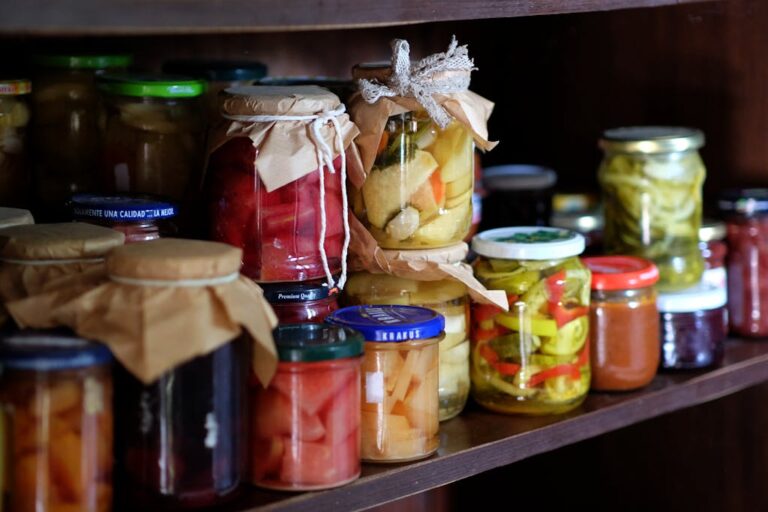
Even sealed food items aren’t accepted. It might seem wasteful, but donation centers aren’t equipped to handle or safely distribute food products.
Construction Materials
Leftover building supplies, such as carpet, blinds, plumbing fixtures, or office partitions, usually won’t be taken. They’re bulky, hard to store, and not in high demand.
Old Print Materials
Encyclopedias, magazines, and newspapers are rarely accepted anymore. There’s just not much demand for them, and they tend to sit unsold.
Mattresses and Bedding
Mattresses, box springs, pillows, and similar items are almost always rejected. It comes down to hygiene. There’s no reliable way to sanitize them well enough for resale, and strict regulations make it even harder.
Baby Gear and Safety Items
Things like car seats, cribs, highchairs, and strollers might seem useful, but they’re usually turned away. Safety standards change often, and there’s no easy way to confirm if an item is still compliant or has been recalled.
Opened or Expired Cosmetics
Used makeup or skincare products are a hard no. Even if they look fine, they can carry bacteria or cause reactions. Only brand-new, sealed items are sometimes accepted.
Medical Equipment
Walkers, crutches, braces, and similar items often fall into a gray area, but most locations won’t take them. There’s too much liability involved, especially if the equipment isn’t properly inspected.
Oversized Furniture or Heavy Equipment
Not every Goodwill has the space or staff to handle large furniture or heavy items. Many locations won’t accept them at all, especially if they’re difficult to move or store.
Hazardous Materials
Paint, chemicals, propane tanks, and anything flammable should never be donated. These items pose serious risks and can even lead to emergency situations if mishandled.
Weapons or Weapon-Like Items
Firearms, ammunition, and even realistic replicas are strictly off-limits. Staff can’t safely assess them, and anything that looks like a weapon can create immediate safety concerns.
Other Posts You Might Like
- 20 Collectibles in Your Parents’ House That Could Be Worth a Fortune
- 13 Random Items in Your Home That Could Be Worth Thousands
- From Oil Lamps to Porcelain Pigs, These Are the Strangest Things People Collect
- 13 Garage Sale Items That Collectors Actively Look For (and Pay Well For)
- 17 Everyday Items in Your Kitchen That Are Secretly Valuable