Your kitchen cabinets are filled with plates for dinner, mugs for your morning coffee, and that old mixing bowl you’ve had for years. Most of it blends into the background of daily life.
But if you take a closer look, there’s often more history sitting on those shelves than you realize. Many households still hold onto older kitchen pieces simply because they’ve lasted. They were well-made, dependable, and familiar, so they never got replaced. Over time, those same items become sought after by collectors.
What feels like a simple, well-used dish or utensil to you might actually be a vintage piece with real value, appreciated for its craftsmanship, durability, and the era it came from.
Antique Coffee Grinders
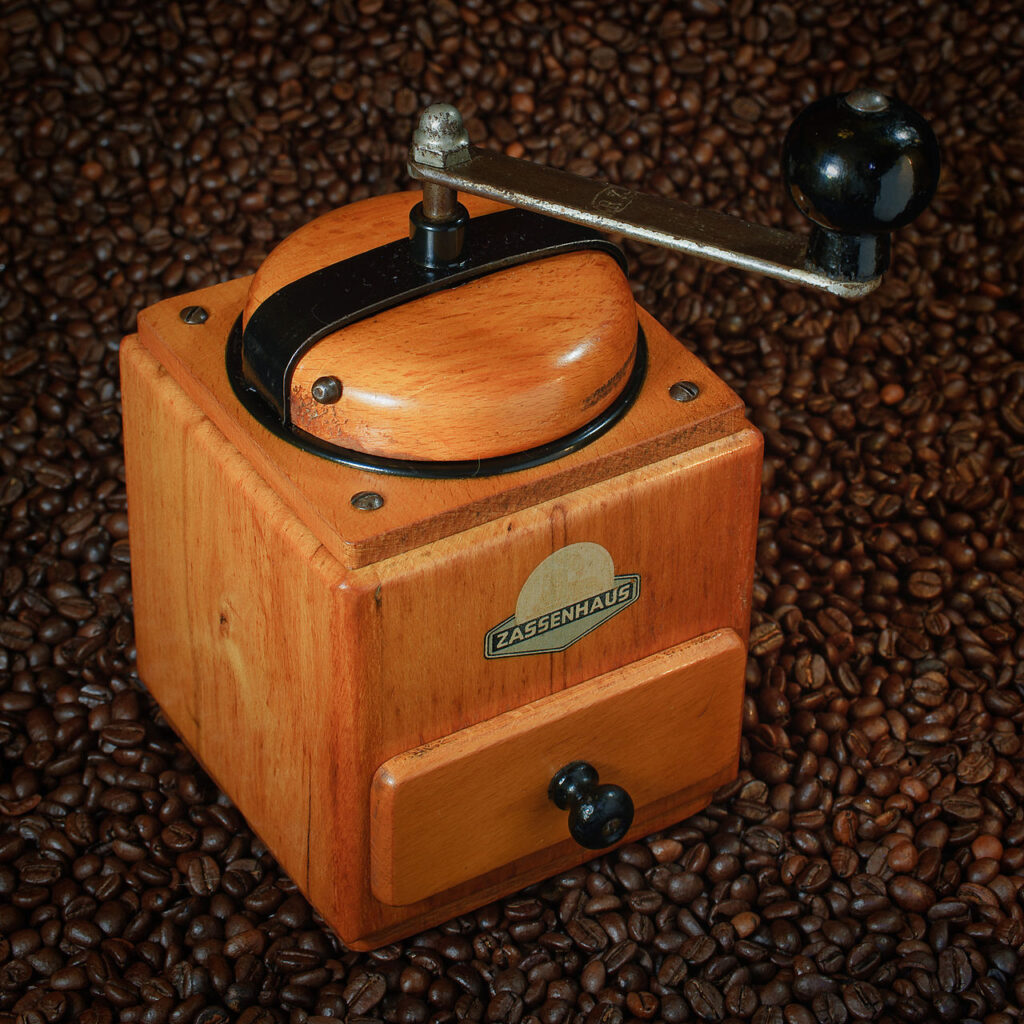
Manual coffee grinders were once a standard part of the kitchen, not a decorative item. Many were built with sturdy metal mechanisms and wooden bases that have held up remarkably well over time. Today, they’re appreciated not only for their function but also for what they represent—a slower, more hands-on approach to everyday routines.
Ceramic Cookie Jars
Cookie jars often stayed in kitchens for years simply because they were useful and familiar. Many older versions feature playful shapes, bold designs, or characters tied to a specific era. While condition plays a role in value, even slightly worn pieces can still be appealing thanks to their personality and nostalgic charm.
Cast Iron Cookware
Cast iron has a reputation for a reason. Older pieces, especially those with maker’s marks, are known for their durability and performance. When properly cared for, they can last for generations and often cook better with age. Many collectors aren’t just displaying these; they’re still using them regularly in the kitchen.
Vintage Tupperware
Early Tupperware was designed with durability and practicality in mind, and many pieces have stood the test of time. Collectors often look for specific colors, shapes, or early production styles. What might seem like an ordinary container could actually be part of a sought-after vintage set if it’s still intact and recognizable.
Hand-Painted Tea Sets
Tea sets were often reserved for special occasions, which means many have been preserved in good condition over the years. Hand-painted details, delicate lines, and unique designs point to skilled craftsmanship. These pieces are valued not just for their appearance but also for the traditions and memories they often represent.
Wooden Rolling Pins
Older rolling pins often have a character that newer ones lack. Some were handmade or produced in small batches, and you might notice subtle variations, carved details, or even measurement markings. Others are simple but show years of use through a smooth, worn finish. Their appeal comes from that combination of function and history.
Copper Cookware
Copper cookware has long been valued for its ability to heat evenly and respond quickly to temperature changes. Over time, it develops a natural patina that many people now appreciate rather than polish away. Details like stamped markings, hand-riveted handles, and overall weight can all point to older, higher-quality pieces.
Related: Caraway’s Best-Selling Cookware Bundles Are Up to 25% Off — Here Are the Deals Worth Shopping
Hand-Cranked Eggbeaters
Before electric mixers became standard, hand-cranked eggbeaters were a staple in everyday cooking. Many of these tools still work just as well today and show thoughtful mechanical design. Versions with wooden handles or decorative gears tend to stand out and are often collected for both their function and appearance.
Milk Glass Vases
Milk glass has a simple, understated look, but often includes detailed textures or patterns that give it character. These vases were widely used, which makes them fairly easy to find, but certain designs in good condition are more desirable. They also fit easily into modern spaces while still carrying a sense of age and history.
Cast Iron Meat Grinders
These heavy, hand-cranked tools were once essential for food preparation at home. Built for repeated use, many are still fully functional today. Whether used or displayed, they appeal to people who appreciate durability, craftsmanship, and a return to more hands-on cooking methods.
Related: How to Remove Rust From Cast Iron Grill Pan
Vintage Flatware Sets
Older flatware tends to stand out once you pay attention to the details. The pieces are often heavier, with more intricate handle designs and materials like silver or silver plating that you don’t see as often today. These sets were made to last for decades, not just a few years. Even if a set is incomplete, it can still hold value; collectors are often more interested in craftsmanship and character than in having a perfectly matched set.
Retro Dinnerware
Dinnerware from past decades often reflects the style of its time in a way modern pieces don’t. Bold colors, unique patterns, and distinctive shapes were much more common, and many of those designs are no longer produced. Whether these pieces were passed down or picked up years ago, they can carry both visual appeal and collector interest. Even mismatched plates and bowls can be desirable, especially for those who enjoy a more eclectic look.
Other Posts You Might Like
- 20 Collectibles in Your Parents’ House That Could Be Worth a Fortune
- 13 Random Items in Your Home That Could Be Worth Thousands
- From Oil Lamps to Porcelain Pigs, These Are the Strangest Things People Collect
- 13 Garage Sale Items That Collectors Actively Look For (and Pay Well For)
- 17 Everyday Items in Your Kitchen That Are Secretly Valuable