Saturday mornings in the 80s felt like their own little world. You’d wake up earlier than you needed to, grab whatever cereal was in the pantry, and head straight for the TV while the house was still quiet.
There wasn’t anything fancy about it, but it was something you looked forward to all week. You didn’t have options or reruns on demand, just whatever was on, in that moment. And somehow, that made it better.
If you grew up in that time, these are the cartoons that probably filled those mornings.
Teenage Mutant Ninja Turtles (1987–1996)
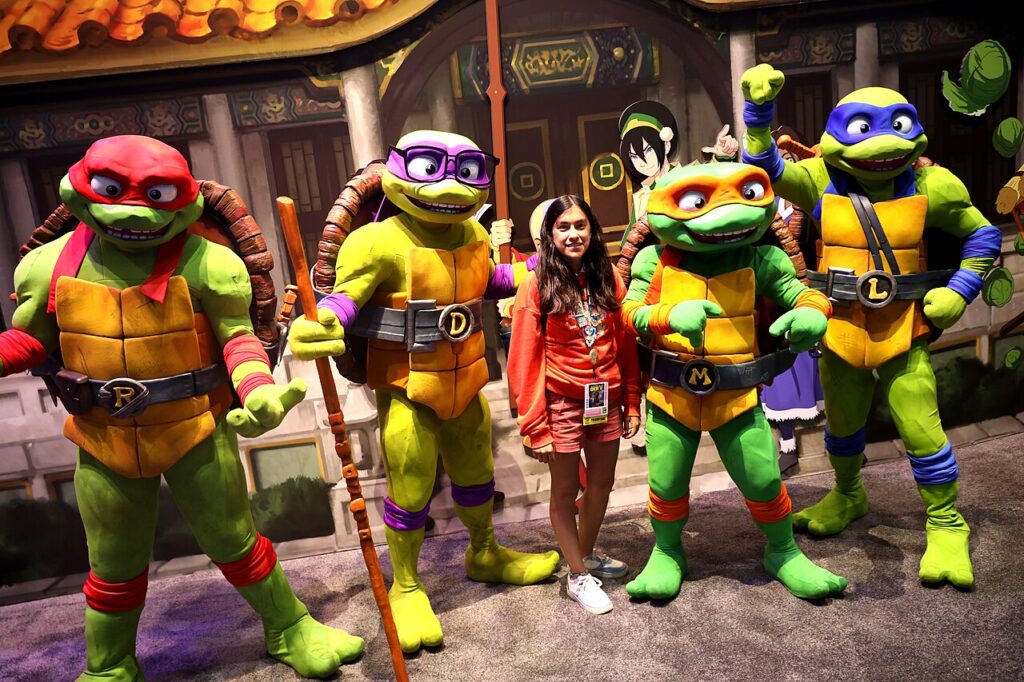
The show followed four turtles trained in martial arts as they fought villains like Shredder and Krang. Each turtle had a distinct personality, which made it easy for viewers to connect with them. It mixed action, humor, and catchphrases in a way that fit the late 80s perfectly. It quickly became one of the most recognizable cartoons of the time.
The Jetsons (1985–1987 revival)
Originally from the 60s, The Jetsons returned in the 80s with new episodes set in a futuristic world. It followed the Jetson family as they dealt with everyday life, just with robots and flying cars. The humor came from imagining how normal problems would exist in the future. It felt familiar but slightly different from everything else.
The Smurfs (1981–1989)
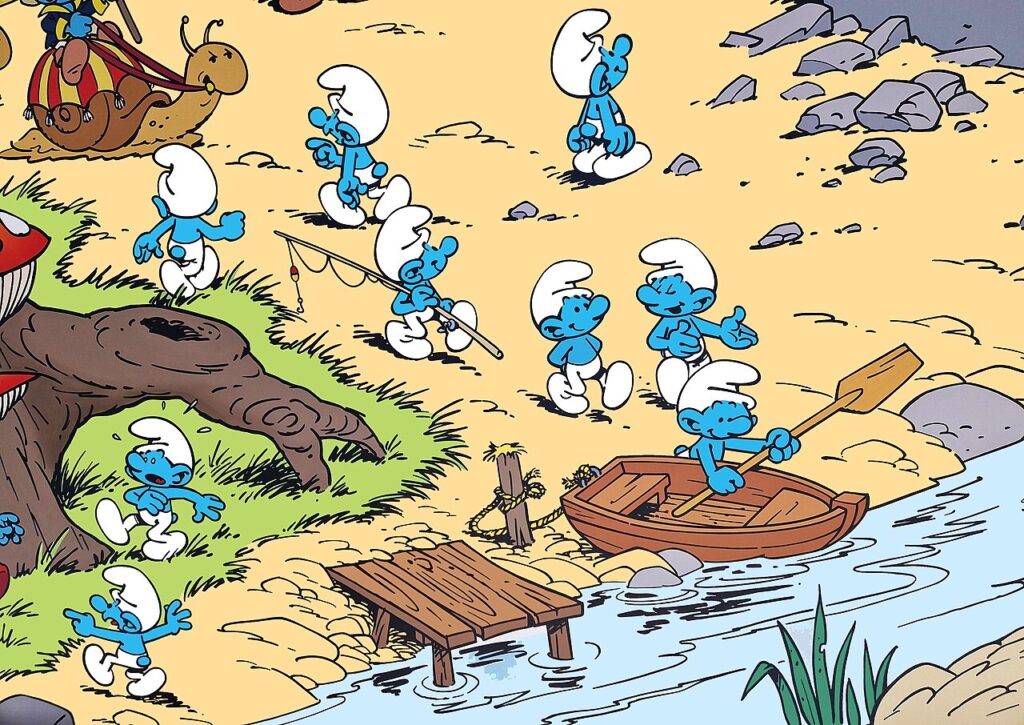
The Smurfs followed a small blue village led by Papa Smurf, where each character had a simple, defining personality. Most episodes centered around outsmarting the bumbling wizard Gargamel and his cat Azrael. It was predictable in the best way, light, steady, and easy to fall into week after week. The theme song alone is something many people still remember without trying.
The Real Ghostbusters (1986–1991)
Based on the hit 1984 movie, this animated series expanded the world of ghost hunting with new creatures and storylines. It followed the original team as they dealt with supernatural problems that often felt darker than those in typical cartoons. Slimer became a standout character, adding humor to balance the eerie moments. It managed to feel familiar while still offering something new each week.
Related: 16 Saturday Morning Cartoons from the ’60s and ’70s That Bring Back Memories
Transformers (1984–1987)
Transformers brought the battle between Autobots and Decepticons to Earth, turning a toy line into a full story. Led by Optimus Prime, the Autobots fought to protect humans from Megatron and his forces. The show had a bigger, more ongoing storyline than many cartoons at the time. It made everything from the toys to the characters feel part of a larger world.
G.I. Joe: A Real American Hero (1983–1986)
This series followed a team of soldiers fighting against the villainous Cobra organization. It combined action, recognizable characters, and just enough story to keep things moving. Each episode ended with a quick life lesson, which became one of the show’s most memorable features. It felt fast-paced but still easy to follow.
Scooby-Doo and Scrappy-Doo (1979–1984)
This version of Scooby-Doo added Scrappy, a smaller, much braver character who changed the group’s dynamic. The show still focused on solving mysteries, but the tone shifted slightly with shorter, quicker stories. It kept the familiar formula while adding just enough variation to keep it going. Whether people loved or disliked Scrappy, he definitely stood out.
ThunderCats (1985–1989)
ThunderCats followed a group of cat-like heroes who fled their home planet and fought to survive on a new world. The series blended science fiction and fantasy, with a stronger sense of ongoing conflict than many other shows. It felt more dramatic and detailed, especially in its animation style. The opening alone gave it a sense of scale that made it stand out.
Alvin and the Chipmunks (1983–1990)
This show focused on Alvin, Simon, and Theodore as they navigated everyday life, often getting into trouble along the way. It mixed humor with music, which became a big part of its appeal. The personalities of the three brothers made the stories easy to follow. It offered a lighter, more relaxed break from the action-heavy cartoons.
DuckTales (1987–1990)
DuckTales followed Scrooge McDuck and his nephews as they traveled the world in search of treasure and adventure. The stories often involved mysteries, lost cities, and clever problem-solving. It felt more story-driven than many cartoons, with episodes that actually pulled you in. The theme song alone made it unforgettable.
Garfield and Friends (1988–1994)
Based on the comic strip, the show followed Garfield, a sarcastic cat who preferred eating and sleeping over anything else. It combined humor with short, fast-paced segments, making it easy to watch casually. The tone was more laid-back than that of other cartoons. It relied more on personality than action.
Muppet Babies (1984–1991)
This show imagined the Muppets as children, turning everyday situations into elaborate adventures through their imagination. Episodes often shifted into fantasy worlds, making it feel creative and unpredictable. It balanced humor with storytelling in a way that appealed to different ages. It stood out for being more imaginative than most.
Inspector Gadget (1983–1986)
Inspector Gadget followed a clumsy detective equipped with endless gadgets, even though he rarely solved anything himself. His niece Penny and her dog Brain were usually the ones saving the day behind the scenes. The show had a repetitive structure, but that familiarity made it easy to watch. It was more about the chaos than the outcome.
The Care Bears (1985–1988)
The Care Bears focused on a group of colorful characters who promoted kindness and positivity. Each bear had a symbol representing its personality, and stories often centered around helping others. It had a gentler pace than most cartoons at the time. For many kids, it offered a quieter, more comforting part of the lineup.
Related: 15 Nostalgic Memories Only People Who Grew Up in the 70s Will Remember
Super Friends (1973–1986, popular through the 80s)
Super Friends introduced a generation of kids to DC heroes like Superman, Batman, and Wonder Woman. The show focused heavily on teamwork, with the heroes working together to stop villains rather than acting alone. It wasn’t complicated, but it made these larger-than-life characters feel approachable. For many kids, this was their first real exposure to superheroes.
He-Man and the Masters of the Universe (1983–1985)
Set in the fantasy world of Eternia, the show followed Prince Adam, who transformed into He-Man to battle Skeletor and his forces. The mix of magic, technology, and action gave it a unique feel compared to other cartoons.
It was bold, loud, and easy to get caught up in, even if you only watched part of an episode. The short moral lesson at the end became just as recognizable as the show itself.