Old gardening tools and supplies are easy to overlook, especially when they are mixed in with other worn-out items in a shed or garage. But for collectors, some of these pieces stand out because they were well-made, practical, and built to last.
Many vintage garden tools were made with solid wood handles, sturdy metal parts, and simple details that are harder to find today. Over time, certain pieces have become collectible not just for their appearance, but also for their quality, usefulness, and age.
Before you toss anything aside or pass by a box of old garden items at a sale, it helps to know which gardening antiques collectors love and often pay up for.
1. Early Hand-Forged Garden Tools
Some of the most collectible garden tools are the oldest ones, especially pieces made in the late 1800s and early 1900s. Hand-forged tools often have a solid feel, simple construction, and small details like hammer marks or old wooden handles that make them stand out from newer versions.
Collectors usually look for pieces like hand trowels, dibbers, border forks, and small cultivators that are still in decent shape. Even if a tool has some surface rust, it can still have value if the metal is solid and the original handle is still attached.
2. Garden Statues
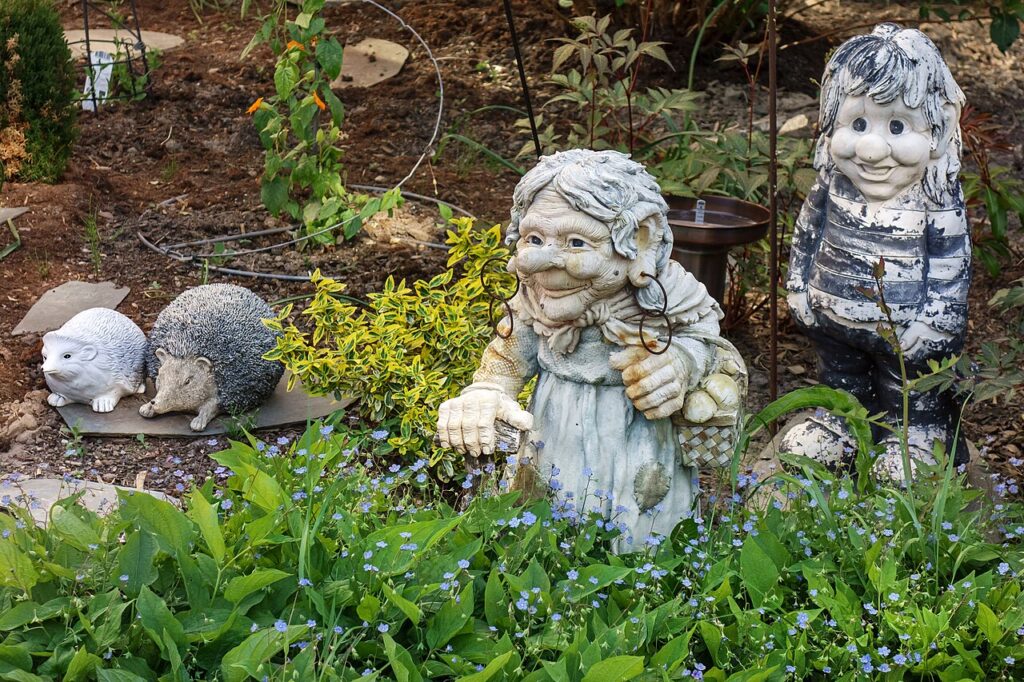
Garden statues are another outdoor piece that can attract strong interest from collectors. Concrete animals, figures, and decorative ornaments often gain appeal with age, especially when they have weathering that looks natural rather than forced.
Pairs can be especially desirable, and older pieces with a worn surface are often preferred over newer reproductions. Size, subject, and condition all play a role in value
3. Wooden-Handled Rakes and Hoes
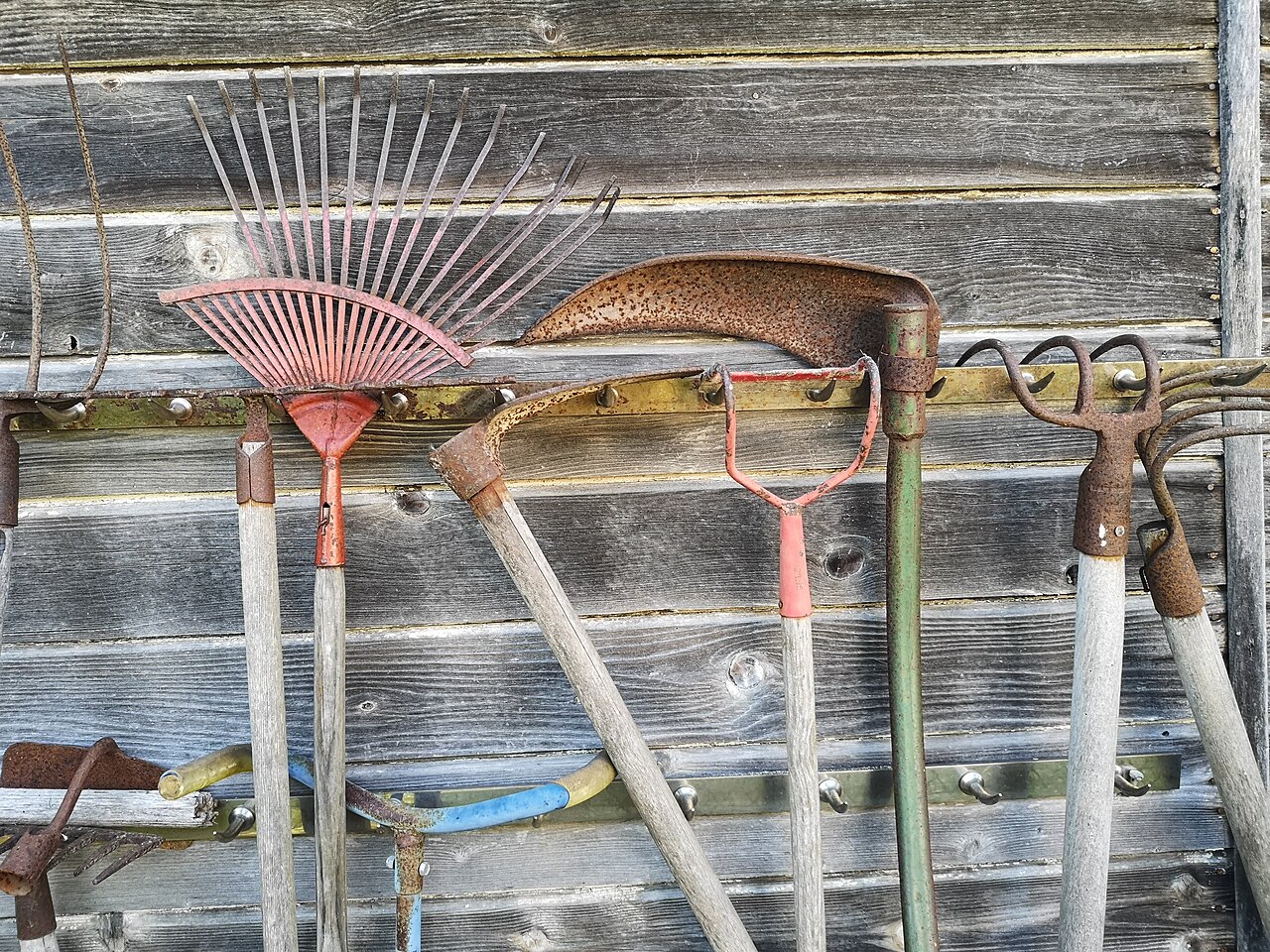
Older rakes and hoes often feel heavier and better made than many modern tools. Hardwood handles, older metal heads, and signs of age can all make these pieces more appealing to collectors.
Condition matters, but the tool does not need to look perfect to be worth keeping. Collectors usually prefer original pieces with minimal repairs rather than newer reproductions made to look old.
4. Cast and Wrought Iron Garden Pieces
Heavy garden pieces made of cast iron or wrought iron can be very appealing to collectors. Benches, plant stands, urns, and decorative supports are often sought after because they are durable, useful, and have a look that fits well in both old and updated garden spaces.
True wrought iron pieces are usually heavier and more handmade in appearance, while cast iron often has more decorative detail. Matching sets, early pieces, or unusual designs tend to be the most desirable.
5. Antique Dibbers and Seed Tools
Small planting tools are easy to miss, but they can be surprisingly collectible. Dibbers, seed tools, and similar hand tools were often made with simple materials, but older examples can show careful workmanship that collectors appreciate.
Pieces with carved wood handles, etched measurement marks, or stamped names tend to stand out more. Because they are small and practical, they are also easy for collectors to display or add to a group of related tools.
6. Vintage Garden Sprayers
Older hand-pump garden sprayers, especially brass or copper ones, are another category collectors often look for. These tools were made to be used, but many also have attractive details that make them interesting display pieces.
Maker’s marks, original parts, and working components can all add to the value. Even when they are no longer in use, intact sprayers are often worth more than people expect.
7. Cast Iron Urns and Planters
Old cast iron urns and planters are popular because they are sturdy, classic, and expensive to replace with anything similar today. They are often overlooked simply because they are heavy, dirty, or tucked away in corners of sheds, garages, or old garden beds.
Collectors usually prefer pieces with original wear rather than heavy repainting or obvious restoration. Size, shape, and decorative detail can all affect how desirable a planter is.
8. Old Toolboxes Filled with Original Tools
Sometimes the value is not in a single item but in a group that has stayed together over time. An old wooden toolbox filled with garden tools from the same period can be more appealing than selling each piece separately.
Collectors often like sets that feel original and untouched. When the tools clearly belong together, the whole group can have more character and sometimes more value.
9. Maker’s Marks and Stamped Names
One of the easiest ways to tell whether an old garden tool might be worth more is to check for any identifying marks. Brand names, patent dates, and blacksmith stamps can help link a piece to a known maker, which usually makes it more appealing to collectors.
Even a simple stamp can make a difference in value. If you find an old tool, it is always worth turning it over and checking for markings before dismissing it as ordinary.
10. Planters and Garden Pots
Old garden planters are consistently popular with collectors because they are both useful and decorative. Terracotta, cast iron, concrete, and other older materials tend to have more weight and character than many newer garden containers.
Collectors often look for pieces with age, wear, and a shape that feels original rather than mass-produced. Even simple older pots can be desirable, especially if they fit well with traditional gardens or outdoor spaces.
11. Antique Watering Cans
Vintage watering cans are among the most recognizable garden antiques people look for. Older galvanized or copper cans often have better construction, thicker metal, and more character than newer decorative versions.
Collectors tend to notice details like unusual spouts, soldered seams, and maker’s marks. Dents and wear are common, and they do not always hurt the value if the piece still has its original look and structure.
12. Bistro Sets and Garden Seating
Vintage bistro sets, pedestal tables, and older garden seating are often collected for both use and display. These pieces work well on patios, porches, and in gardens, making them practical as well as decorative.
Collectors usually look for sturdy materials like iron, steel, or teak. Sets in good condition, or pieces with a style that works indoors and out, tend to be the most appealing.
13. Faux Bois Furniture and Garden Decor
Faux bois pieces are made to look like wood, even though they are usually concrete or cast material. Older examples can be especially valuable because of their detailed texture, unusual shapes, and durability outdoors.
Collectors like these pieces because they are distinctive and less common than standard garden furniture. Benches, tables, and planters in faux bois styles often stand out quickly at estate sales and antique markets.