We all want a home that feels clean and easy to manage. It just makes everyday life run smoother. But getting there isn’t always as simple as it sounds.
A lot of the time, it’s the small habits that throw things off. You might be trying to declutter, but a few common mistakes can actually leave your space feeling messier than before. Here are 15 things that can quietly work against you.

Holding onto “Just in Case” Items
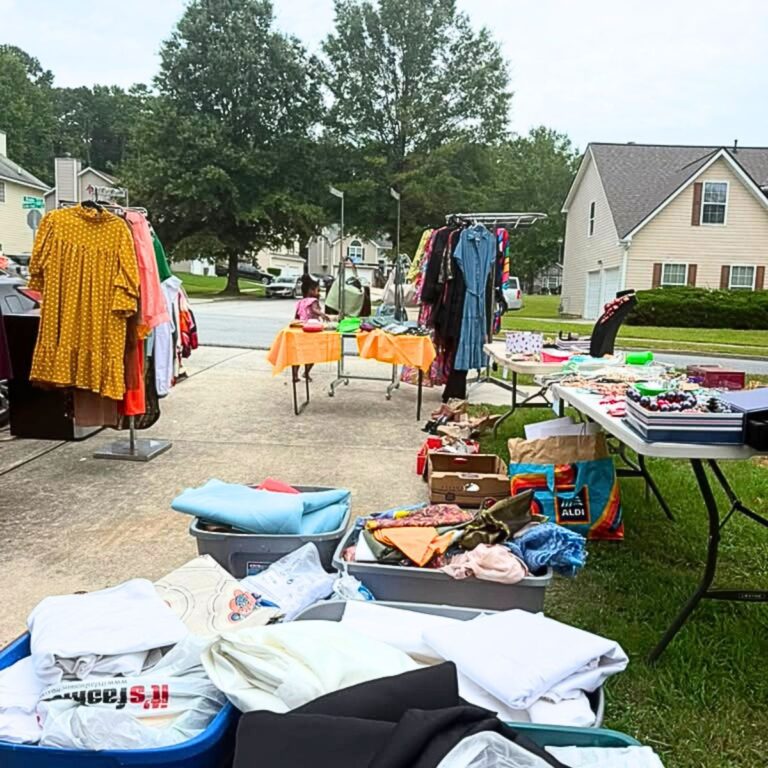
We all have those “just in case” items that we hold onto. Whether it’s that old blender or those high school jeans, these items take up valuable space. Ask yourself if you’ve used the item in the past year. If the answer is no, it’s probably safe to part with it.
Remember, decluttering is about making room for what truly matters. Donating or selling these items can also bring joy to others, giving them a second life and freeing up space in your home.
Decluttering Without Sorting
Sorting is an essential step in the decluttering process. Tossing everything into one big pile can lead to confusion and frustration. Divide your items into four categories: keep, donate, sell, and trash.
It helps you see what you have and make more informed decisions. Use bins or boxes to separate these categories as you work through each area of your home.
No Designated Home for Items
Every item in your home should have a designated spot. Without this, things can quickly get out of hand. Take the time to assign a home for each item.
Knowing where things belong makes it easier to maintain organization, whether in a drawer, shelf, or box. Labeling can also be helpful, especially for shared spaces or items that multiple family members use.
Buying Storage Solutions First
It’s tempting to buy storage solutions before you start decluttering. However, this can lead to more clutter if you don’t need them. Focus on decluttering first, then evaluate your storage needs.
It ensures you only buy what you truly need and prevents unnecessary purchases. Opt for versatile storage solutions that adapt to different needs as your home evolves.
Not Involving the Whole Family
Decluttering is a team effort, especially if you live with family or roommates. Doing it all yourself can be exhausting and unsustainable.
Involve everyone in the process and delegate tasks. This lightens your load and teaches others about the importance of organization. Set aside time for family decluttering sessions and make it a fun, collaborative effort.
Being Too Sentimental
Sentimental items can be the hardest to part with. While keeping meaningful items is okay, holding onto too many can hinder your progress.
Limit sentimental items to a designated space, like a memory box or scrapbook. This way, you can cherish them without letting them take over your home. If you’re struggling, consider taking photos of items before letting them go.
Decluttering for Perfection
Perfectionism can be a significant roadblock in the decluttering process. Striving for a perfectly organized home can lead to procrastination and frustration.
Focus on progress over perfection. Taking small, consistent steps will help you move closer to your goal without overwhelming you. An organized home is about functionality and comfort, not picture-perfect aesthetics.
Not Considering Daily Habits
Your daily habits play a significant role in maintaining an organized home. Ignoring them can lead to clutter creeping back in. Identify habits that contribute to clutter, such as leaving shoes by the door or piling mail on the counter.
Implement small changes to address these habits. Consistency is key. Over time, these minor adjustments will make a big difference in keeping your home clutter-free.
Ignoring Digital Clutter
Digital clutter is often overlooked but can be as overwhelming as physical clutter. Emails, files, and apps can quickly accumulate, creating chaos. Set aside time to declutter your digital space.
Delete unnecessary files, organize folders, and unsubscribe from unwanted emails. Regular maintenance of your digital space will keep it organized and reduce stress.
Tackling Too Much at Once
Taking on too much at once can lead to burnout and, ultimately, to giving up. It’s important to pace yourself and break the process into manageable chunks.
Start with one area or room at a time. It allows you to see progress and stay motivated.
Celebrate small victories along the way to maintain your momentum.
Underestimating the Emotional Aspect
Decluttering can be an emotional journey. It’s normal to feel a strong attachment to items, especially those with sentimental value.
Acknowledge your emotions and give yourself grace. Take breaks when needed, and don’t rush the process. Seek support from friends or family if you’re feeling overwhelmed.
Not Measuring Your Progress
Tracking your progress can be a highly motivating experience. Without it, you might feel like you’re not making any headway. Take before-and-after photos to see the transformation.
Keep a journal or checklist to document your achievements. Celebrate your successes and use them as motivation to keep going.
Not Having a Plan
Planning may sound boring, but it’s essential for a successful decluttering process. Jumping in without a roadmap can leave you overwhelmed and aimless. A robust strategy helps maintain focus and organization.
Begin by identifying areas of concern and setting specific objectives. For example, you might tackle your closet first or focus on the kitchen. Please write down your goals and break them into manageable steps. It will keep you on track and prevent you from feeling lost in the clutter.
Not Having a Decluttering Routine
Decluttering isn’t a one-time event; it’s an ongoing process. Without a routine, clutter can quickly return. Establish a regular decluttering routine that works for you.
It could be a weekly sweep or a monthly deep clean. Consistency is critical to maintaining an organized home and preventing future clutter buildup.
Forgetting to Maintain
The final mistake is forgetting to maintain your newly organized space. Without regular upkeep, clutter can quickly return. Set aside time for regular maintenance tasks, such as tidying up and reevaluating items.
It ensures your home stays organized in the long run. Involve the whole family in maintenance routines to share the responsibility and keep everyone accountable.