Getting rid of clutter feels like the obvious fix, but some “organizing” habits can actually make things worse. It happens more than you’d think. What looks helpful at first can end up adding extra stuff or making things harder to keep up with.
A lot of these habits come from good intentions, but they don’t always work in real life. They take up space, add extra steps, or just don’t stick. Here are 12 organizational habits that can leave your home feeling more cluttered instead of less.
1. Over-Stacked Storage Bins
Stackable bins are often recommended as a smart storage solution, and they can be, if used correctly. But when stacking isn’t practical for your space or routine, they can quickly create more chaos than order. If you have to unstack every bin just to reach one item, frustration builds fast. And when the most frequently used things end up buried or crammed into the top bin, clutter only grows.
2. Labeling Everything in Excess
Labeling can be useful, but when taken too far, it creates visual clutter. Slapping a label on every container, basket, or bin adds unnecessary visual “noise” and can actually make your space feel more chaotic. Additionally, over-labeling makes it more difficult to reorganize later, as you’ll need to peel off, rewrite, or replace everything. Keep labels minimal and purposeful to maintain a clean, flexible look.
3. Multiplying Small Storage Containers
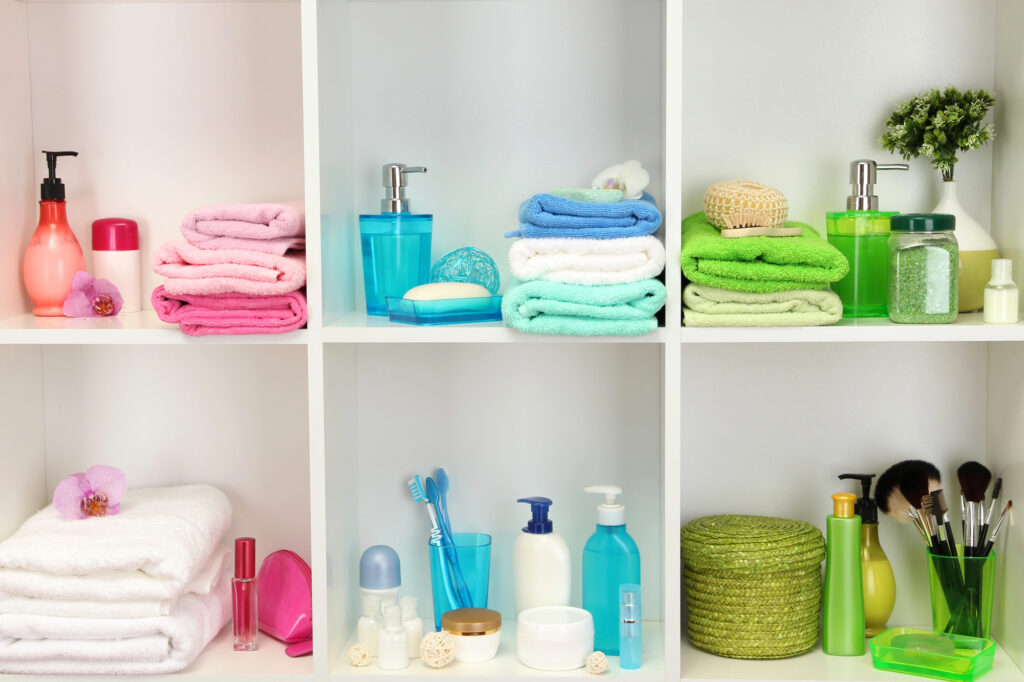
Using small bins to organize drawers and shelves is a popular trick, but overdoing it can backfire. According to Abby Organizes, too many containers can crowd your space and make it harder to find what you need. Instead of bringing order, they can create a new kind of mess. Focus on grouping items efficiently, not just filling every inch with bins.
4. Overstuffing Catch-All Drawers
A junk drawer sounds like a good idea, until it turns into a black hole of clutter. When too many random items get tossed in, it becomes nearly impossible to find anything. To avoid chaos, limit your catch-all spaces and use them only for truly essential, miscellaneous items.
5. Going Overboard with Decorative Baskets
Decorative baskets can be both stylish and functional, but only in moderation. When every corner of the room has a basket, the space begins to feel cluttered and busy. Instead, use a few well-placed baskets that are sized correctly for the items you’re storing. Less really is more when it comes to visible storage.
6. Adding Too Many Shelves
More shelves might seem like the answer to your storage problems, but they can quickly overwhelm a space. When every wall is covered in shelving, the room begins to feel cramped and chaotic. Instead, keep shelf installations intentional and limited to where they truly add function.
7. Saving Every Box for “Later.”
It’s easy to justify keeping every box from a delivery “just in case,” but those boxes pile up fast. Soon, your home becomes a holding zone for empty containers. Unless a box has an immediate use, let it go. Storing packaging for possible future organizing only adds to the clutter you’re trying to avoid.
8. Overfilling Closet Organizers
Closet organizers are meant to streamline your wardrobe, not cram it in. When every shelf, cubby, and hanger is jam-packed, it’s hard to see what you have and even harder to keep it tidy. Use organizers to highlight and access essentials, not to store everything you own in one spot.
9. Going Overboard with Drawer Dividers
Drawer dividers can be helpful, but when they divide every inch into tiny compartments, you lose usable space. Over-dividing leads to awkward, cramped sections that are more frustrating than useful. Use dividers sparingly and leave room for flexibility.
10. Holding Onto Every Piece of Paper
Keeping every receipt, bill, or document “just in case” is a quick way to create mountains of paperwork. Instead, digitize what you can and regularly sort through physical documents. Only keep what’s essential. Your future self will thank you for the space and peace of mind.
11. Hoarding Organization Products
Buying new containers, bins, and tools can feel productive, but if you’re not using them, they’re just more clutter. Organizing products should support your systems, not contribute to the mess. Only purchase what solves a specific need, not what might be helpful someday.
12. Over-Organizing the Little Things
Separating every small item, such as buttons, beads, or paper clips, into its own container can become overwhelming. Over-compartmentalizing fills drawers with too many tiny boxes, making it harder to find what you need. Group similar items together to simplify your system and save space.