When I first started gardening, I didn’t think much about watering. I figured if everything got a good drink, that was enough. But over time, I realized that watering isn’t as simple as it seems, and doing it the wrong way can actually hold your plants back.
These days, I take a more intentional approach, using tools like a galvanized steel watering can for smaller plants and a garden hose with an adjustable nozzle for larger areas. The truth is, every plant has different needs, and once I started paying attention to those differences, my garden became healthier, stronger, and much easier to manage.
Water plays a huge role in plant health; it helps deliver nutrients, supports growth, and keeps everything functioning properly. But too much or too little can quickly cause problems like root rot or stress. Things like soil type, weather, container size, and even the season all affect how quickly moisture is lost.
This is where watering really stops being one-size-fits-all. Different types of plants have completely different preferences, and understanding that is key.
Container Plants
Plants in pots dry out much faster than those in the ground. I usually check them often, especially in warmer weather, and water when the top inch of soil feels dry. Using indoor plant watering globes can help keep moisture levels more consistent if you tend to forget.
Newly Planted Flowers, Shrubs, and Trees
Anything newly planted needs more consistent watering while it gets established. Their root systems are still developing, so they rely on you a bit more in the beginning. A tree watering bag is really helpful for slow, deep watering without having to stand there holding a hose.
Flowering Plants
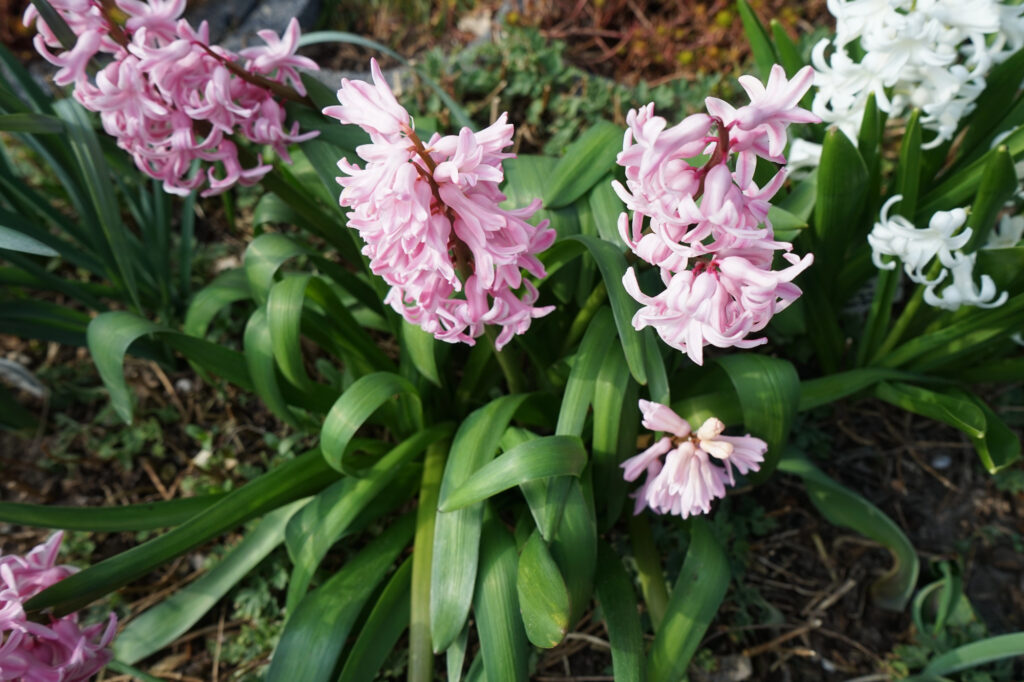
Flowering plants generally like steady moisture. Not soggy, but consistently damp soil helps them produce blooms and stay healthy. During hotter stretches, they may need a little extra attention to keep up.
Lawns
Lawns are actually better off with deeper, less frequent watering. About an inch per week is a good guideline, but it’s more important to water thoroughly rather than lightly every day. A lawn sprinkler system can help distribute water more evenly without overdoing it.
Trees and Shrubs
Established trees and shrubs are surprisingly low-maintenance when it comes to watering. Their roots go deeper, so they don’t need frequent watering unless there’s a long dry spell. New trees, on the other hand, need regular watering until they’re fully settled in.
Vegetables and Herbs
Vegetables and herbs tend to need consistent moisture to produce well. I aim for deep watering about once a week, increasing it during especially hot weather. Raised beds can dry out faster, so something like a raised bed drip irrigation kit can make a big difference in keeping things consistent.
Succulents and Drought-Tolerant Plants
These are the easiest to overwater. Succulents and cacti prefer dry conditions and should only be watered once the soil is completely dry. When I first started growing them, I definitely gave them too much attention. Now, I’ve learned they do better with less.
Indoor Plants
Houseplants vary quite a bit, but most prefer to dry slightly between watering. Some, like peace lilies, like more moisture, while others, like snake plants, need very little.