For years, I barely thought twice before placing an Amazon order. Need a phone charger? Amazon. Storage bins? Amazon. Random kitchen gadget I suddenly convinced myself I needed at 11 p.m.? Definitely Amazon.
The convenience was hard to beat, especially with Prime shipping making everything feel instant. But then I discovered Amazon return bin stores, and honestly, it completely changed the way I shop for a lot of everyday stuff.
At first, I assumed these stores were filled with broken junk nobody wanted. Some items absolutely are. But after a few trips, I realized there were also unopened products, overstock items, and perfectly usable things selling for a tiny fraction of what they cost online. Now, before I buy something on Amazon, I sometimes find myself wondering if I should check the bins first.
What Amazon Return Bin Stores Actually Are
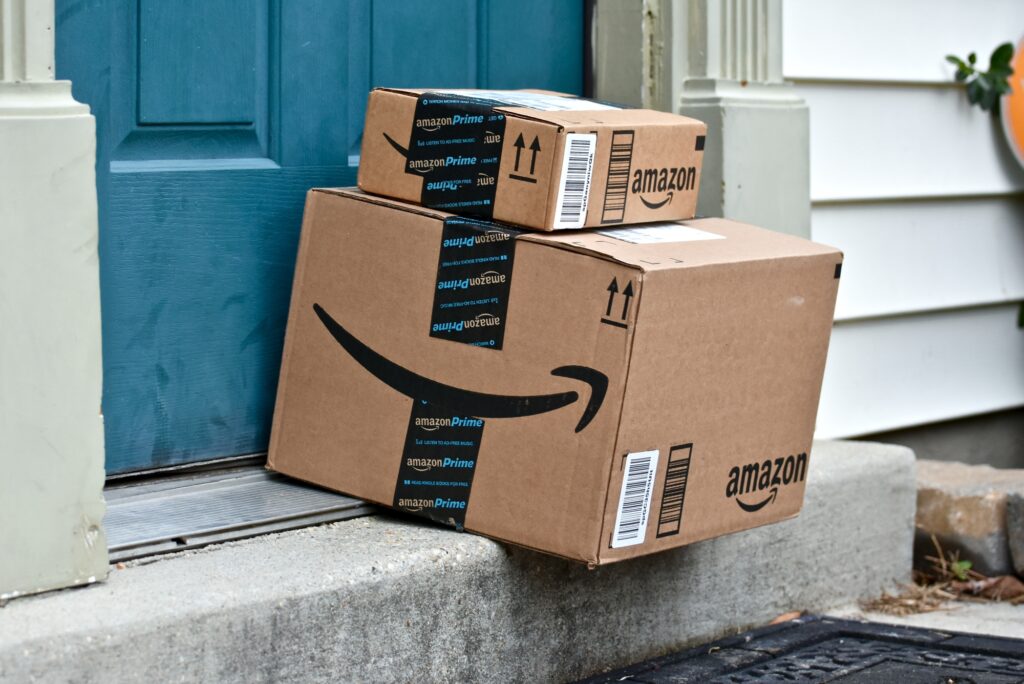
Amazon bin stores are liquidation shops that buy massive pallets of returned, overstocked, or unsold merchandise from retailers such as Amazon, Target, Walmart, and other major chains. Instead of organizing everything neatly on shelves, most of the inventory gets dumped into large bins for shoppers to sort through themselves.
The experience feels part discount store, part treasure hunt, and part chaos. You might find kitchen tools sitting next to Bluetooth speakers, beauty products, dog toys, office supplies, and random electronics all in the same bin.
That randomness is part of what keeps people coming back.
The Pricing System Is What Hooks People
Most bin stores use a flat pricing system that changes throughout the week. After a big restock day, every item in the bins may cost $10 or $12, regardless of what it originally sold for online.
Then prices drop daily until the next restock. By the end of the week, items may cost only $1 or $2 each.
That means shoppers have to decide whether they want the best selection or the absolute cheapest prices. Go early, and you’ll see the best inventory. Wait until later in the week, and the deals get better, but the bins are much more picked over.
Some of the Deals Feel Almost Ridiculous
The first time I went, I expected dollar-store quality products. Instead, I found unopened storage containers, name-brand headphones, organizers, pet supplies, phone accessories, and kitchen gadgets I had literally looked at on Amazon days earlier.
Not everything is a huge bargain, of course. But when you find something that normally sells online for $40 sitting in a $6 bin, it changes your perspective a little on paying full retail prices.
That’s the moment I started questioning how much I really needed my Prime membership.
The Shopping Experience Is Completely Different
Shopping at bin stores is not calm or curated. There are no perfectly organized aisles or polished product displays. People dig through bins quickly, carts fill up fast, and restock days can get surprisingly competitive.
At first, it feels overwhelming. But after a while, you start to realize that most shoppers are just regular people looking for useful things at lower prices, especially families trying to stretch their budgets a little further.
There’s also something oddly satisfying about finding something genuinely useful for a fraction of what you expected to pay.
You Never Really Know What You’ll Find
That unpredictability is probably the biggest difference between bin stores and regular retail shopping. Amazon gives you exactly what you searched for. Bin stores give you whatever happens to show up that week.
Some trips are complete duds, leaving you empty-handed. Other times, you stumble across practical things you actually need, like organizers, cleaning supplies, batteries, kitchen storage, or small appliances.
And occasionally, you find something weird enough that you can’t believe someone returned it in the first place.
The Catch Is That Not Everything Is Perfect
Of course, there’s a reason these items ended up there. Some products are customer returns, which means the packaging may be damaged or parts may be missing. Occasionally, items don’t work at all.
That’s why experienced bin-store shoppers inspect everything carefully before buying. Checking for missing cords, cracked pieces, opened seals, or obvious damage becomes part of the routine pretty quickly.
If you expect a polished retail experience, you’ll probably hate it. But if you don’t mind digging a little, the savings can be surprisingly worth it.
It Made Me Buy Less Online Overall
The biggest change for me wasn’t just saving money. I realized how often I had been impulse-ordering things online simply because it was convenient.
Bin stores slowed that habit down. Instead of instantly clicking “Buy Now,” I started waiting to see if I could find similar items locally for much less. Sometimes I do, sometimes I don’t, but it definitely made me more intentional about what I actually purchase.
Ironically, shopping through piles of random liquidation merchandise made me think harder about how much stuff I was buying in the first place.
I Still Use Amazon — Just Differently Now
I haven’t completely given up Amazon. There are still plenty of things that are easier to order online, especially specific products I actually need right away.
But bin stores changed the equation for me. Now, instead of assuming Amazon automatically has the best deal, I know there’s a decent chance that the same item or something very close to it could eventually end up sitting in a bin somewhere for a fraction of the price.
And once you realize that, it’s hard not to look at your Prime membership a little differently.