
Dogs may adore their humans, but that doesn’t mean they love everything we do. Many common habits that seem harmless or even affectionate to us can actually stress dogs out, confuse them, or make them uncomfortable in ways we don’t always recognize.
Because dogs can’t exactly tell us when we’re getting on their nerves, they rely on body language and behavior to communicate. From constant hugging to interrupting their naps, here are some of the everyday things humans do that dogs absolutely hate.
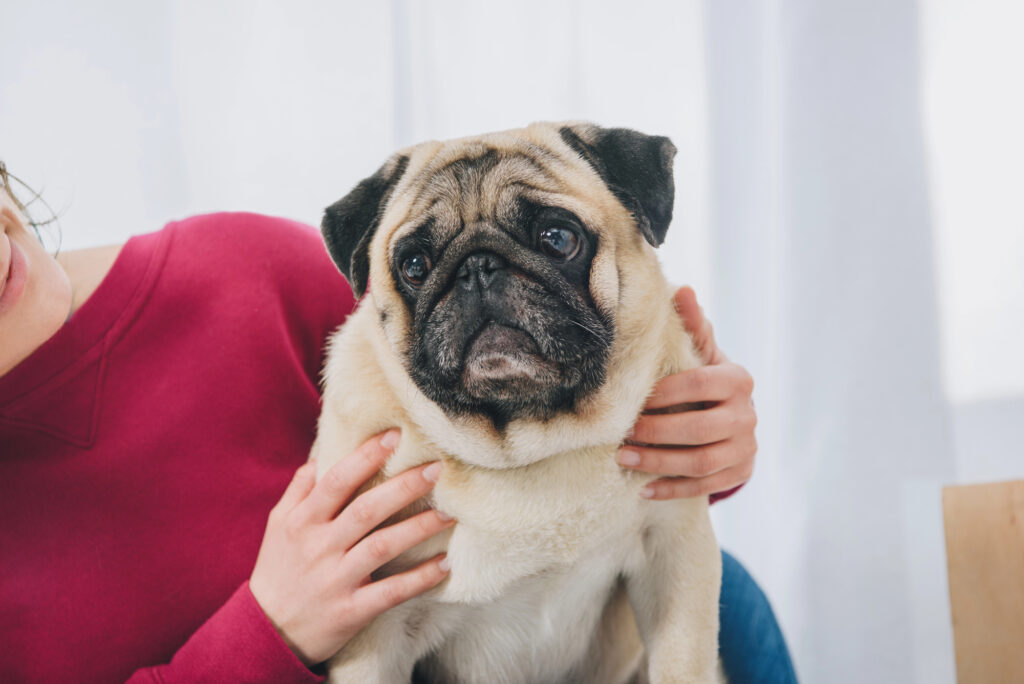
1. Ignoring Their Personal Space
Dogs need boundaries just like people do. Constantly crowding them, leaning over them, or getting in their face can make even the sweetest dog feel trapped or anxious.
Many dogs tolerate this behavior because they trust their owners, but that doesn’t mean they enjoy it. Learning when your dog wants attention and when they’d rather be left alone helps build trust.
2. Yelling Around Them
Dogs are extremely sensitive to tone and volume. Loud yelling, angry voices, or constant chaos in the house can make them nervous, fearful, or overly reactive.
Even if you’re not yelling directly at your dog, they can still absorb that stress. Calm, consistent communication works far better than shouting in training and daily interactions.
3. Wearing Strong Perfumes or Sprays
A dog’s sense of smell is far more powerful than ours, so strong fragrances can feel overwhelming to them. Heavy perfumes, air fresheners, hairsprays, or scented cleaners can irritate their sensitive noses.
What smells pleasant to humans may feel intense or uncomfortable to dogs. Some pups will even avoid rooms or people wearing overpowering scents.
4. Leaving Them Alone for Too Long
Dogs are social animals that thrive on companionship and routine. Being left alone for long hours every day can lead to boredom, anxiety, destructive behavior, or depression.
Even independent dogs still need interaction and stimulation. Regular walks, playtime, and attention help them feel secure and emotionally balanced.
Related: 12 Longest Living Dog Breeds That Make Loyal Companions
5. Constantly Changing Their Routine
Dogs love predictability. Sudden changes to feeding schedules, walks, bedtime, or household routines can leave them stressed and unsettled.
They feel safest when they know what to expect each day. Consistency helps dogs stay calmer, especially anxious or older pets.
6. Forcing Them to Interact with People or Dogs They Dislike
Not every dog wants to greet strangers or play with every dog at the park. Forcing uncomfortable interactions can create fear, defensive behavior, or aggression.
Dogs, like humans, have preferences and personalities. Respecting those boundaries helps them feel safer and more confident.
7. Rushing Them on Walks
For dogs, walks are about much more than exercise — they’re also mental enrichment. Sniffing trees, sidewalks, and random corners is how dogs explore the world around them.
Constantly tugging the leash or hurrying them along takes away one of the most enjoyable parts of the walk. A little extra sniffing time can make a huge difference in their happiness.
8. Dressing Them in Uncomfortable Outfits
While tiny sweaters and costumes may look cute to humans, many dogs hate wearing restrictive clothing. Outfits can limit movement, create stress, or make dogs feel overheated and uncomfortable.
Some dogs tolerate clothing in cold weather, but most don’t enjoy elaborate costumes or accessories. Their body language usually makes that pretty clear.
9. Blowing in Their Face
Many people think blowing gently in a dog’s face is playful, but dogs often find it irritating or threatening. Their noses and eyes are sensitive, and unexpected air blasts can make them defensive.
Some dogs will back away, lick their lips, or turn their head to avoid it. Others may react more strongly if they feel startled.
10. Waking Them Up Suddenly
Dogs don’t enjoy being jolted awake any more than humans do. Older dogs, especially, can become startled or confused if someone abruptly shakes or pokes them awake.
A startled dog may react instinctively before fully realizing what’s happening. Letting sleeping dogs lie naturally is almost always the safer and kinder option.
Related: 14 Dogs That Are Adorably Awkward (and Impossible Not to Love)
11. Hugging Them Too Tightly
Humans associate hugs with affection, but many dogs interpret them differently. Being wrapped tightly in someone’s arms can make dogs feel restrained or trapped.
Some dogs tolerate hugs because they trust their people, but others show subtle signs of stress, such as a stiff posture, lip-licking, or turning their heads away. Most dogs prefer gentle petting over full-body hugs.
12. Sending Mixed Signals During Training
Dogs thrive on consistency. Using different words, tones, or body language for the same command can confuse them and make training frustrating.
Clear communication helps dogs feel confident and successful. The more predictable your cues are, the easier it is for them to understand what you want.
13. Touching Their Paws Too Much
Many dogs are protective of their feet and nails. Constant grabbing, squeezing, or playing with their paws can make them uncomfortable, especially if they’ve had bad grooming experiences.
Gradually getting dogs used to paw handling is important, but forcing it usually backfires. Gentle desensitization works much better than surprise paw grabs.
14. Keeping the Leash Too Tight
Dogs can sense tension through the leash. A constantly tight leash may signal stress or danger to your dog, making them more reactive or anxious during walks.
Loose-leash walking creates a calmer experience for both dog and owner. It also allows dogs to move more naturally and feel less restricted.
Related: How To Make Your Airbnb Pet Friendly: The Pros And Cons
15. Forcing Them into Scary Situations
Dragging a fearful dog toward a vacuum cleaner, crowded space, or stressful situation rarely helps them “get over it.” In fact, forcing exposure too quickly can make fears even worse.
Dogs build confidence through patience and gradual positive experiences. Giving them time and space to adjust helps them feel safer in the long run.
16. Being Constantly Stressed or Angry
Dogs are incredibly tuned into human emotions. If you’re stressed, tense, or upset all the time, your dog often picks up on that energy and reacts to it.
Many dogs become anxious when their humans are overwhelmed. Calm environments help dogs feel more secure and relaxed.
17. Teasing Them for Entertainment
Pretending to throw a ball, dangling treats out of reach, or intentionally annoying a dog for laughs may seem funny to people, but dogs often find it frustrating or confusing.
Repeated teasing can damage trust over time. Dogs respond best when interactions feel safe, predictable, and rewarding.
18. Surrendering or Abandoning Them
Few things are more heartbreaking for dogs than suddenly losing their family and home. Dogs form deep emotional bonds with their people, and abandonment can create lasting fear and anxiety.
Many shelter dogs struggle because they don’t understand why their world changed overnight. Responsible pet ownership means understanding the lifelong commitment that comes with bringing a dog home.