Most homes don’t become crowded all at once. Clutter usually builds slowly over time through impulse purchases, “just in case” items, and things we keep meaning to organize later.
At first, it may not seem like a problem. But eventually, the cabinets stop closing easily, the closets feel packed, and the drawers become frustrating to open. If your home has started feeling cramped or stressful, these are some of the biggest signs that your cabinets, closets, and drawers simply have too much stuff and not enough space.
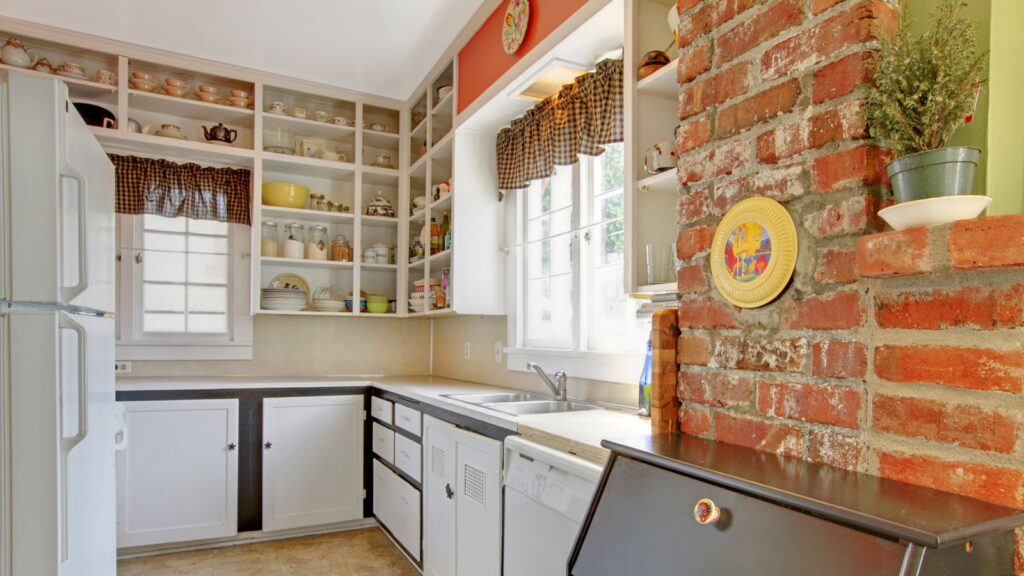
Your Drawers Barely Close
If you constantly have to push down on a drawer to shut it, that’s usually a sign it’s holding far more than it comfortably should. Overstuffed drawers make it harder to find what you need and often lead to items getting damaged or forgotten.
Instead of functioning as storage, drawers become catch-all spaces where things are crammed simply because there’s nowhere else to put them.
Your Closets Feel Packed but You Still Wear the Same Few Things
A crowded closet doesn’t always mean you have nothing to wear, but it can definitely make it feel that way. When clothing is packed tightly together, it becomes harder to see what you own, which often leads people to keep reaching for the same familiar outfits.
Many people are surprised to discover they have clothes with tags still attached or items they forgot they even bought.
You Keep Buying Storage Bins and Organizers
Buying organizers can feel productive, but sometimes it’s just a way to avoid decluttering. If every new problem leads to another basket, shelf, or storage container, the real issue may be that there’s simply too much stuff to manage comfortably.
Storage solutions help, but they can’t permanently fix overcrowding.
You Own Multiple Versions of the Same Item
When homes become cluttered, duplicates start appearing everywhere. Extra scissors, multiple phone chargers, several identical kitchen tools, or piles of reusable shopping bags often accumulate because it’s easier to buy another one than search through clutter to find the original.
Too much stuff makes it difficult to keep track of what you already own.
Flat Surfaces Are Always Covered
Kitchen counters, dining tables, dressers, and entryway tables often reveal when storage spaces are overflowing. Once cabinets and drawers fill up, everyday items start migrating onto any available open surface.
Mail piles up, random papers spread out, and small household items slowly take over the spaces meant to stay clear.
Cleaning Takes Much Longer Than It Should
When there’s too much stuff in a home, cleaning becomes exhausting. Instead of simply wiping surfaces or vacuuming floors, you first have to move stacks of items, reorganize clutter, or clear enough space just to clean properly.
The more belongings you have, the more time and energy it takes to maintain everything.
You Constantly Lose Things
If you spend time searching for keys, paperwork, chargers, remote controls, or other everyday items, clutter may be part of the problem. Overcrowded drawers and packed shelves make it easy for things to disappear under piles or get shoved into random places.
A home with too much stuff often creates daily frustration simply because nothing feels easy to find.
Your Garage No Longer Holds Cars
Garages are often among the first places where clutter spreads when indoor storage fills up. Seasonal decorations, unused furniture, tools, old toys, and random boxes slowly take over until there’s barely room to walk through.
When a garage becomes permanent overflow storage, it’s often a sign that the rest of the home is already over capacity, too.
You Have Several “Catch-All” Spaces
Most homes have one junk drawer, but when every room has its own clutter pile, basket, or random storage corner, things may be getting out of control. Catch-all areas tend to grow quietly over time because they become the default place for items without a proper home.
Eventually, those small clutter zones spread into larger parts of the house.
Rooms Still Feel Cluttered Even After Cleaning
Sometimes a room is technically clean, but it still feels busy or overwhelming. That often happens when every shelf, cabinet, wall, and corner is visually crowded with belongings.
Too much visual clutter can make a home feel smaller, noisier, and harder to relax in.
You Hold Onto Things “Just in Case”
Keeping a few backup items is practical. But when drawers and closets are full of things you might use someday, it’s easy for clutter to grow faster than available space.
Old cords, unused kitchen gadgets, clothes that no longer fit, and random containers are often kept out of guilt or fear rather than actual need.
You Rarely Declutter but Regularly Shop
One of the clearest signs of overcrowding is when new things constantly enter the home but very little leaves. Clothing, décor, gadgets, and household items slowly accumulate year after year without any real editing.
Even small purchases add up quickly when nothing is regularly removed.
You Feel Mentally Overwhelmed at Home
Clutter affects more than physical space. Overcrowded rooms can create visual stress, making it harder to focus, relax, or feel comfortable in your own home.
If certain rooms make you feel anxious, frustrated, or mentally drained, too much stuff may be contributing to that feeling.
You Pay for Extra Storage Outside Your Home
Storage units can be helpful during moves or temporary transitions. But if you’re paying monthly to store belongings you rarely use or barely remember owning, it may be worth reevaluating what’s truly important to keep.
Paying to store unused items long-term is often a sign that there’s simply more stuff than space.
You Find Items You Forgot You Owned
Finding unopened purchases, duplicate items, or things you forgot existed is another major clue. When closets and cabinets become too full, belongings fade into the background and stop being useful.
At that point, the stuff is taking up space without really adding value to your life.
Organizing Never Seems to Last
If you constantly reorganize drawers, closets, and shelves but the clutter keeps returning, the problem may not be organization at all. Sometimes, there simply isn’t enough space because too many belongings are competing for it. In many cases, the answer isn’t better storage systems. It’s owning a little less.