
Before online shopping, department stores were where people spent entire afternoons. They weren’t just places to buy clothes or appliances. They were where families wandered during the holidays, teenagers met friends at the mall, and shoppers stopped for lunch at in-store cafés before heading home with armfuls of shopping bags.
For decades, these stores helped shape American retail culture. Some were glamorous downtown institutions with marble floors and elaborate holiday displays. Others were affordable neighborhood staples where families bought school clothes, kitchen appliances, and Christmas gifts year after year.
Many of these iconic chains disappeared due to bankruptcies, mergers, shifting shopping habits, and the rise of online retail. But even years later, people still remember them fondly, not just because of what they sold, but because of the experiences attached to them.
Here are some of the department stores we lost that many shoppers still miss today.
Lord & Taylor
For generations of shoppers, Lord & Taylor represented classic department store elegance. Its famous Fifth Avenue flagship in New York City became known for beautiful holiday windows, polished displays, and the iconic Bird Cage restaurant, where shoppers would stop for lunch during long shopping trips.
The chain survived for nearly 200 years before closing during the pandemic. Its disappearance felt like the end of an era for traditional department store shopping, especially for people who remembered dressing up just to browse its floors.
Woolworth’s
Few stores are remembered with as much nostalgia as Woolworth’s. The classic five-and-dime chain sold a little bit of everything, but for many people, the real memory was the lunch counter, spinning stools, grilled cheese sandwiches, and milkshakes after a day of shopping downtown.
Woolworth’s felt approachable and affordable in a way many modern retailers don’t. It was the kind of place where kids spent allowance money while parents quietly browsed household goods nearby.
Sears
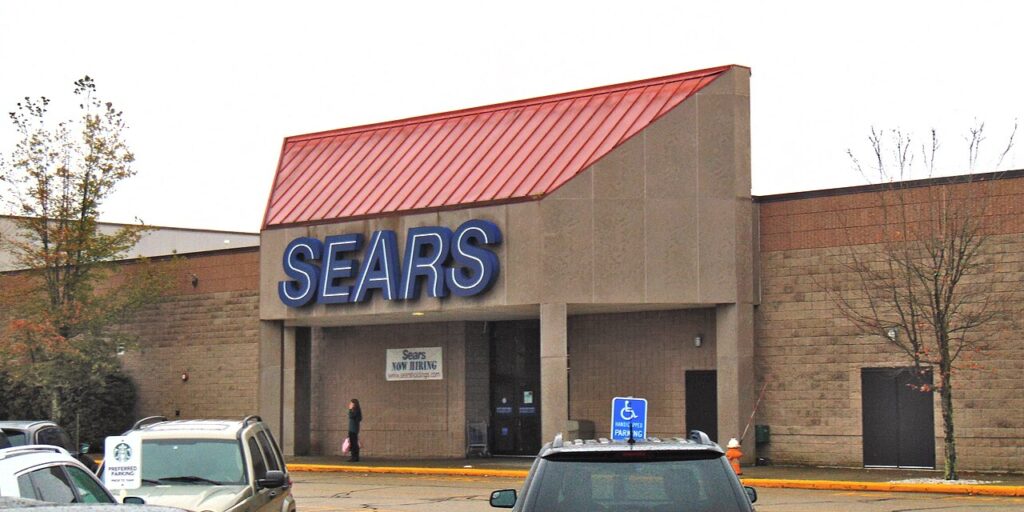
At its peak, Sears wasn’t just a store. It was practically part of American life. Families ordered from the massive Sears catalog, bought Craftsman tools and Kenmore appliances, and eagerly flipped through the famous Christmas Wish Book every holiday season.
For many Americans, Sears was where you bought reliable products that lasted for years. Its decline was gradual, but watching empty Sears stores disappear from malls across the country still feels strange to people who grew up with the brand.
Bon-Ton
Bon-Ton filled an important middle ground between luxury department stores and discount chains. It gave smaller towns and suburban communities access to quality clothing, cosmetics, gifts, and home goods without needing to travel to a major city.
People especially remember Bon-Ton for its customer service and slower-paced shopping experience. When the chain disappeared, many communities lost one of their last traditional department stores entirely.
Marshall Field’s
In Chicago, Marshall Field’s was more than a store; it was an institution. The massive State Street flagship was famous for its Tiffany glass ceiling, elegant architecture, holiday displays, and the beloved Walnut Room restaurant with its towering Christmas tree.
For many longtime shoppers, the transition to Macy’s never fully replaced the feeling of Marshall Field’s. Even today, Chicago residents still refer to the building by its original name.
Related: After Digging Through More Thrift Stores Than I Can Count, Here’s What I Learned
Hecht’s
Hecht’s was a staple throughout the Mid-Atlantic for decades, especially in Washington, D.C., and Baltimore. Generations of families shopped there for back-to-school clothes, wedding registries, and holiday gifts.
The store blended affordability with a slightly upscale feel, appealing to middle-class shoppers. When the brand disappeared into Macy’s, many customers felt like their local shopping identity disappeared with it.
Montgomery Ward
Long before online shopping existed, Montgomery Ward helped bring retail to rural America through its famous mail-order catalog. Later, its department stores became a familiar sight in malls and shopping centers across the country.
For many families, Montgomery Ward was dependable and practical. Its closure in 2001 marked the loss of one of the original giants of American retail history.
Kmart
Kmart may not have had the glamour of some department stores, but it absolutely had loyal shoppers. Blue Light Specials became legendary, and many families relied on Kmart for affordable school clothes, toys, and household basics.
Ames
Ames became a favorite discount department store throughout the Northeast and Midwest during the 1980s and 1990s. For smaller towns especially, Ames was often one of the main places to shop for clothes, home goods, and seasonal items.
People remember Ames as simple, affordable, and dependable. When the stores closed in the early 2000s, many communities were left with empty shopping centers that were never fully replaced.
Related: Major Brands That Are Losing Their Appeal With American Shoppers
Barneys New York
Barneys represented a completely different side of department store culture. It became famous for high-end designer fashion, luxury labels, and carefully curated shopping experiences that attracted celebrities, fashion lovers, and tourists alike.
Even people who never actually shopped there recognized Barneys as a symbol of New York luxury retail. Its closure reflected how dramatically shopping habits changed, even at the highest end of the market.
Hills
For many people in the Northeast and Mid-Atlantic, Hills was part of childhood. The discount chain was known for affordable prices, simple stores, and the memorable Hills snack bar, where shoppers grabbed popcorn, pretzels, or ICEEs during errands.
It wasn’t fancy, but that was part of the appeal. Hills felt familiar and comfortable, especially for families who visited weekly.
Mervyn’s
Mervyn’s became a suburban shopping staple for middle-class families looking for affordable clothing and home basics. Its famous advertising slogan, “Open, open, open,” became instantly recognizable during the 1980s and 1990s.
For many shoppers, Mervyn’s hit the sweet spot between department-store quality and discount-store prices. When it disappeared, many customers felt there was no true replacement.
Related: 9 Things Thrift Stores Wish More People Would Donate
Carson Pirie Scott
Carson’s, as many customers called it, was deeply tied to Midwest shopping culture. The chain offered everything from cosmetics and fashion to home goods and holiday décor, often housed in beautiful, older downtown buildings.
Many people still remember shopping there with parents or grandparents during the holidays. Its closure felt especially personal in cities where the store had operated for generations.
JCPenney (at Its Peak)
While some JCPenney stores still exist, many people miss what the chain used to be. At its height, Penney’s was where families went for portraits, school clothes, appliances, and holiday shopping all in one trip.
Older shoppers often remember bustling catalogs, busy salons, and crowded stores during back-to-school season. The modern version simply doesn’t feel the same to many longtime customers.






I miss J C Penney in Raleigh, NC in North Hill’s in Raleigh, NC SO SO much. that I cry at times. Also Hudson Belks (Belks in Crabtree Mall in Raleigh, NC (West Raleigh,NC where I used to work and live, I LOVED IT !)